What is the Canon of the Bible
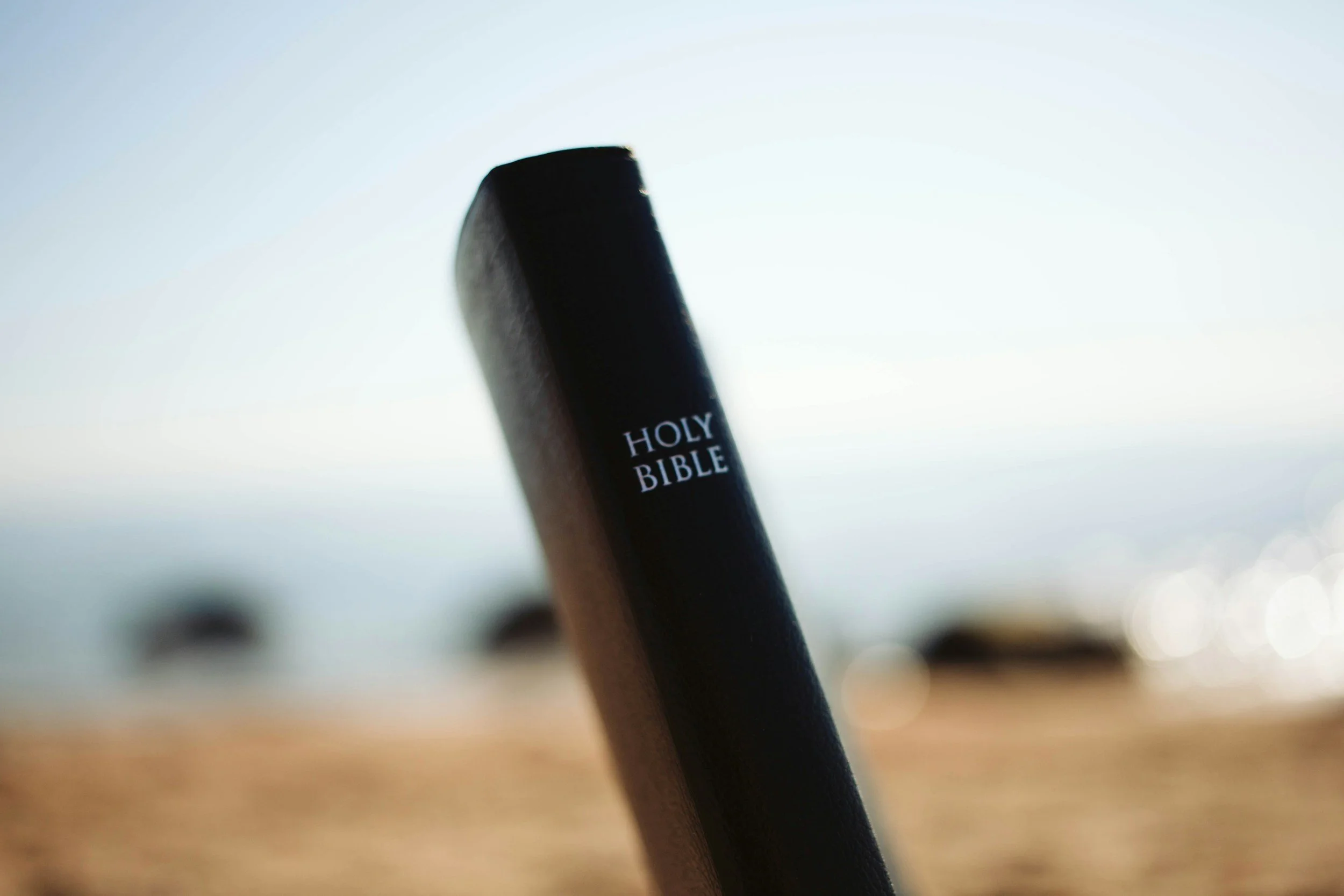
The Biblical Canon
The term canon, at least in this context, refers to the collection of inspired books recognized as authoritative and given by God. Many faiths, like Judaism and Christianity, use this as a "measuring stick” or law of faith. This is shown in a text by Britannica when they say “from a Hebrew-Greek word meaning “cane” or “measuring rod,” passed into Christian usage to mean “norm” or “rule of faith.”
Furthermore, the Bible is a very unusual book; unlike modern books of today, the Bible is composed of many smaller books that cover 4,000 to 6,000 years of history.
The main translations of the bible
The King James Version (KJV)
Commissioned by King James 1st in 1604 and later published in 1611, The King James Version's purpose was to suppress the English folk. This was done when King James organized the Hampton Court Conference, in which he supported a proposal for a new translation to replace the older, while still popular, Geneva Bible (he felt it contained anti-monarchical notes).
This achievement was not only done by King James himself, but by forty-seven scholars and theologians. They worked together for many years to create a new translation. The work was overseen by Archbishop Richard Bancroft.
NASB
The NASB was published by The Lockman Foundation, which was created to give a modern, literal, word-for-word translation of the Bible. It was first published in 1971 as a revision of the previous 1901 American Standard Version. Its main reason for creation was to create a more reliable source. The gospel of John was added in the 60s.
In addition, the translators had a strict word-for-word translation. On the topic of translation, the translation was based on the 3rd edition of Rudolf Kittel’s Biblia Hebraica and the 23rd edition of Nestle’s Novum Testamentum Graece.
NIV Bible
In 1955, Howard Long, an engineer, was frustrated with the old English featured in the KJV. He campaigned for his belief that he supported the Christian Reformed Church (CRC) and the National Association of Evangelicals (NAE). This mission was supported by the New York Bible Society (now Biblica). In 1965, an international, interdenominational team of over 100 evangelical scholars was formed. They committed to translating the Hebrew, Aramaic, and Greek texts rather than just using older versions.
The New Testament was published in 1973, followed by the rest of the Bible in 1978. Revisions have been made, for example, in 1984 and 2011. The 2011 edition included gender exclusive language this caused a lot of backlash from conservative leaders who believed in the original texts
Some original Bibles
The Dead Sea Scrolls
The Dead Sea Scrolls are a collection of roughly 950 manuscripts (any document written by hand or typed by an author,
rather than being mass-produced in print), dating back to the 3rd century BCE to about the first century CE. Other than
the Dead Sea Scrolls being really ancient, the scrolls are the oldest known fragments of the Bible. Written in strong
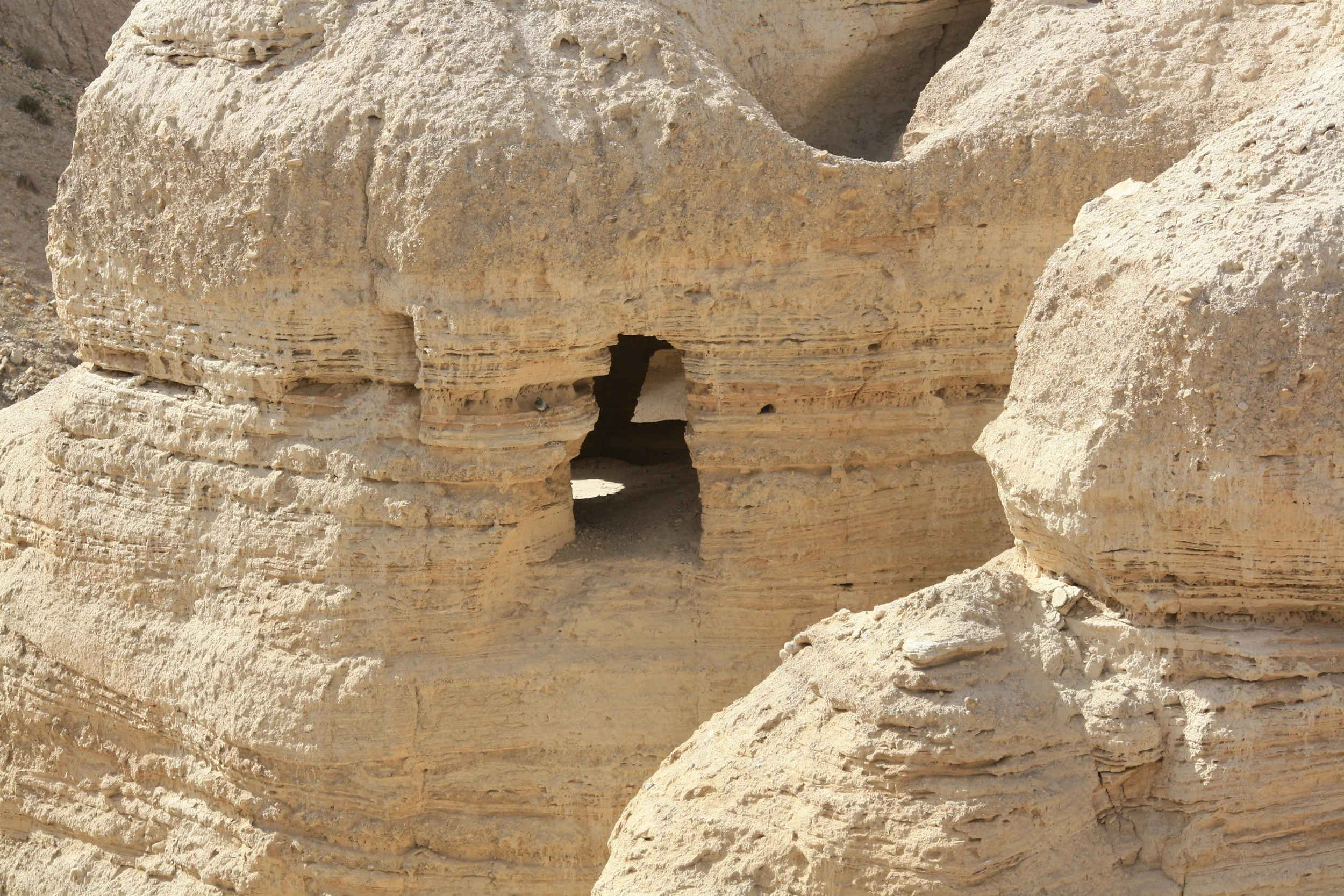
Hebrew, they were found in 1947-1956 in caves near Qumran. This shows that the Bible is not just one book but a
collection of many separate collections of sacred writings. Additionally, one of the most famous finds was the Great Isaiah Scroll. It completes and shows that the book of Isaiah (still used to this day)
is nearly identical to the one read over 2,100 years ago!
The Septuagint
After the conquest of Alexander, the Great, the Hebrew Bible was translated into Greek in the 3rd century. This translation was known as the Septuagint. This Greek translation was initiated at the request of King Ptolemy of Egypt. This was also what the first Christians of Rome used.
Gnostic Gospels
Additional biblical texts have been discovered, yet unused, that reveal many truths. For example, the Gospel of Mary, which was part of the larger Berlin Gnostic Codex found in Egypt in 1896, and others have also been found. Fifty further unused Biblical texts were discovered in Nag Hammadi in Egypt in 1945, known as the Gnostic Gospels.
For example, the gospel of Thomas reveals words of Jesus never heard before; The gospel of Judas, found in Egypt in the 1970s, dates back to 280 A.D.
These have never been used in the biblical canon but are still used as alternative points of view of the story of Jesus. These texts are used as indicators of early Christian life.
The Verse system
The verse and chapter system
The verse and chapter system is a simple system allowing for easy navigation.
Before the verse and chapter system existed, the people of that time had no way to move through the Bible relatively fast, study, or quote the Bible.
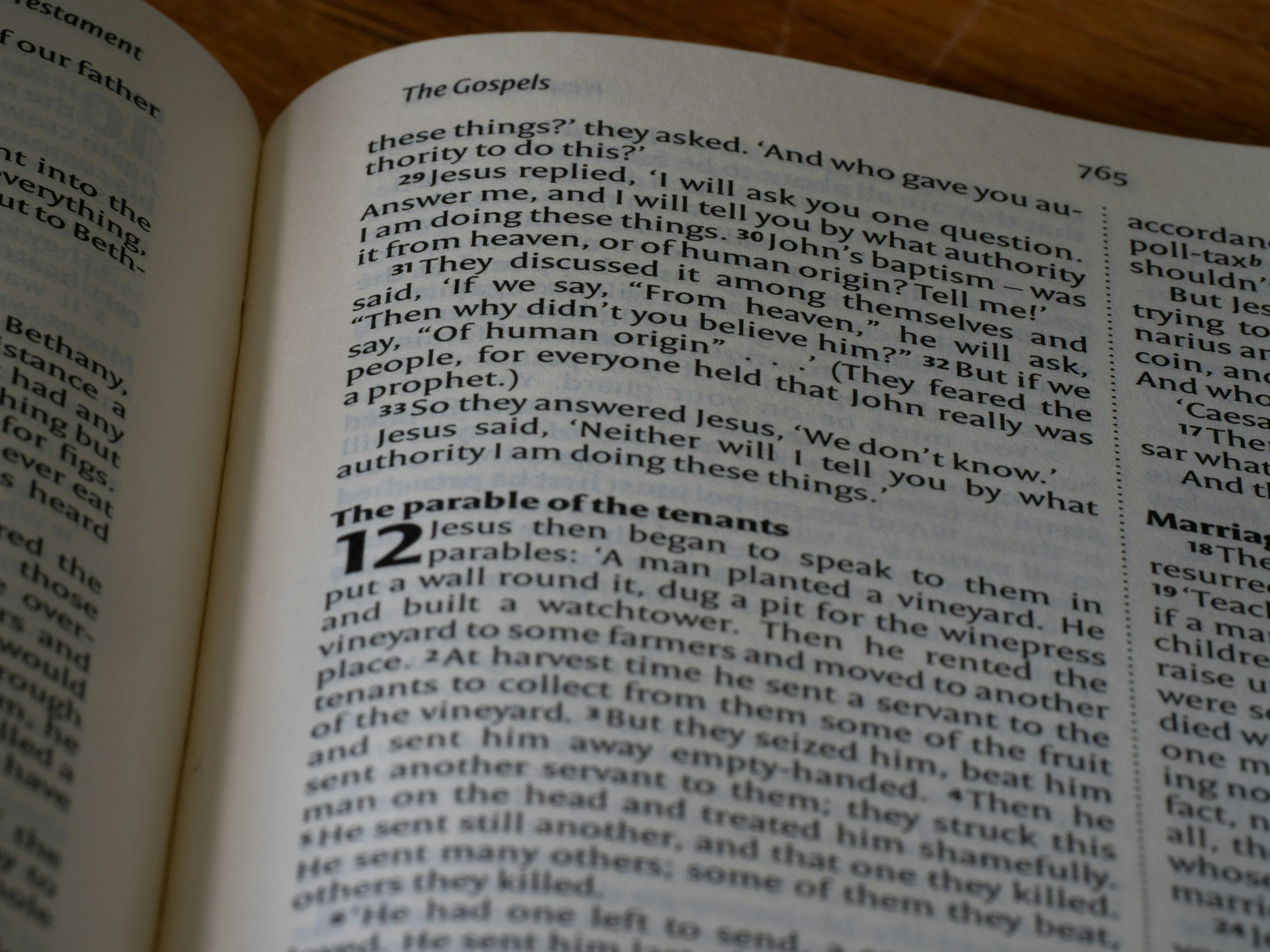
Stephen Langton, Archbishop of Canterbury, created the chapter system (as seen below) around 1227. French printer Robert Estienne (Stephanus) introduced the verse numbering system (as seen below) in 1551.
The Pilate Stone & Cyrus
The pilate stone shows profe of fingers and/or events in the Bible for example “[DIS AUGUSTI]S TIBERIEUM[PO]NTIUS PILATUS[PRAEF]ECTUS IUDA[EA]E[FECIT D]E[DICAVIT]
This is the translation from Latin to English for the inscription, as conjecturally reconstructed: “The prefect of Judaea, pontius pilate, erected Tiberium (temple in honor of Tiberius Caesar) to the August Gods.”
“Another stone called….. Dose the same thing sat-tuk-ku ù-Šab-ti-li ú-ad-[di . . . . . . iŠ] -tak-ka-an ki-rib ma-ha-zi pa-la-ha iluMarduk Šar ilâni [Šá]-qi- Še a-Šu-uŠ- Šu
ancient carvings
conclusion
In closing, I would like to end with a quote: “Let him study the holy scripture…it has God for its author; salvation for its end;and truth, without any mixture of error, for its matter”. (John Locke) This sums up the entire idea. It shows that no matter how deep you look, the Bible is miraculously accurate. The Bible has a history so vast and so incomprehensible that I couldn't even fit a quarter of it into 5 pages. Lastly, many people respect the Bible for that reason's accuracy, even though some might not believe in Christianity.